My name is Chylian. I was motivated to make this contribution after participating in an online meeting organized in cooperation with Women Information Center (FIZ – Stuttgart, Germany) as part of the World prayer days activity for women (Weltgebetstag) on 12.02.2026.
I am a Nigerian woman, a survivor of human trafficking, and a survivor advocate. I have lived through the realities that many Nigerian women face every day: poverty, inequality, and different forms of abuse that often go unspoken.
In our communities, many women experience domestic violence, sexual exploitation, emotional abuse, and spiritual manipulation. Yet instead of protection, they often encounter silence and blame, rather than support.
Growing up, I saw how inequality limits women’s choices. When access to education, economic opportunities, and safety is restricted, survival becomes the primary concern. For many women, migration appears to be a doorway to hope, a way to support family, escape violence, or build a future.
But for many of us, that hope was built on false promises.
Recruitment agents offered jobs abroad, decent work, good pay, and safe accommodation. Weak systems and government oversight allowed deceptive recruitment practices to continue. Many Nigerian women are trafficked into forced Labor and exploitation, particularly in North African countries and other parts of the world. We know this because so many women are returning home.
The high number of returnees tells a painful story. Women come back with trauma, debt, and deep emotional wounds. But reintegration is not actually easy. When they return, they meet the same conditions that pushed them to leave poverty, domestic violence, unemployment, and inequality.
The burden continues
And perhaps the heaviest burden is the shame placed on survivors. Our society often does not fully understand human trafficking. Whether the exploitation began in a community, in a trusted relationship, through recruitment agents, or even within religious spaces, the blame frequently falls on the woman. We ask why she left. We question her choices. We rarely question the systems that failed her. As a survivor, I understand what it means to be weary – Yet I have also come to understand what it means to find purpose in pain.
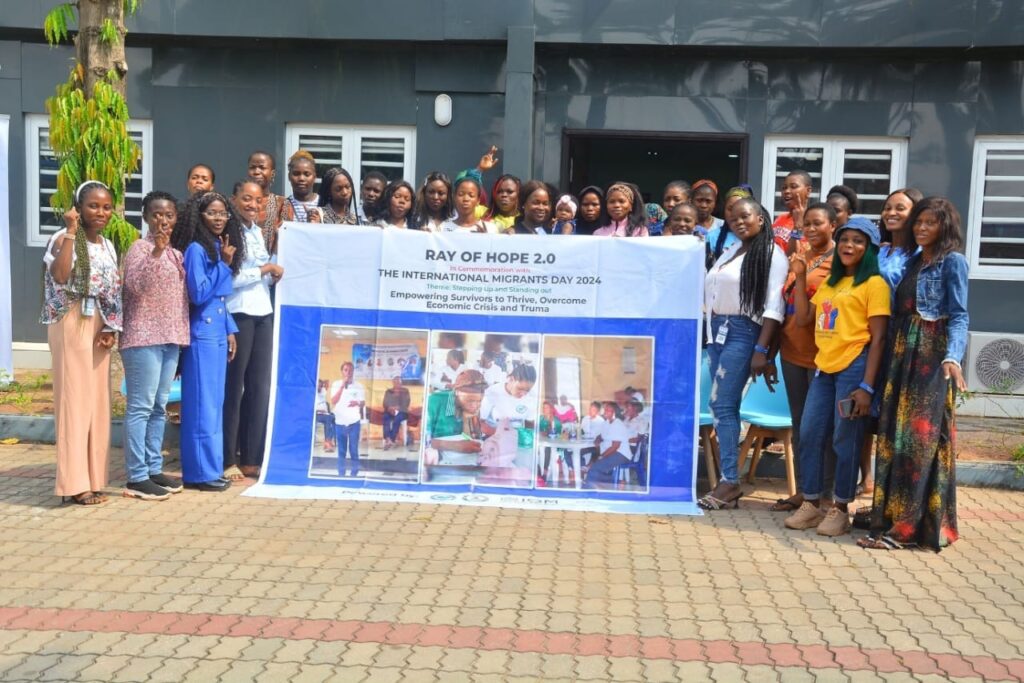
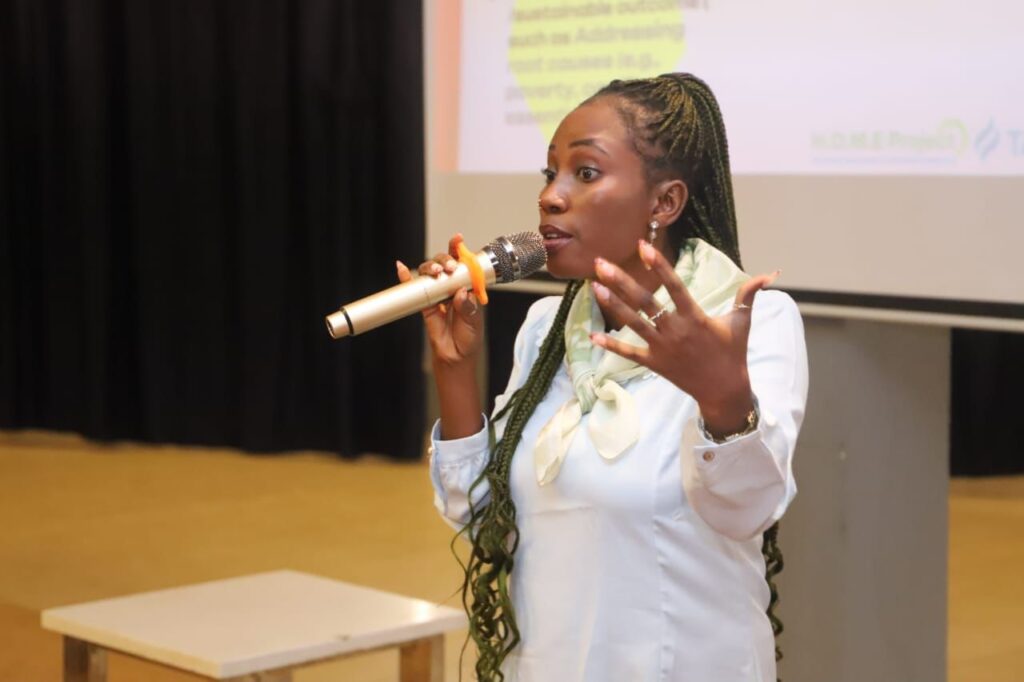
Today, I am part of a Female Returned Migrants’ Network (FREMNET), a survivor-led organization where women who have experienced forced migration, human trafficking and forced labour walk together toward healing and restoration. We create safe spaces for honest conversations. We support one another through shared solidarity, reintegration, economic empowerment, and advocacy. We also work with faith based communities to change harmful narratives and replace stigma with compassion.
In our network, we see transformation. Women who once felt silenced are now leaders. Those who returned with nothing are rebuilding their lives through small businesses, skills training, and mutual support. FREMNET collaborates with Refugees4Refugees/Schutzwohnung to support deported and stranded persons at the cargo Airport gate in Lagos.
Healing happens in community
The rest that Christ promises is not only about the future, it is also about now. It is the rest that comes from being heard. The rest comes from shared burdens. The rest comes from knowing that God does not blame us for the violence done to us.
Nigeria still faces poverty and inequality. Migration continues. Exploitation has not disappeared. But we are no longer speaking only about despair. We are speaking about restoration.
We are calling on our churches and communities to understand human trafficking, to hold systems accountable, and to protect women and girls. We are working toward a Nigeria where no woman feels forced to risk her life for survival, and where every survivor is welcomed home with dignity.
This is my testimony.
That even after exploitation, restoration can still be achieved.
That even after rejection, there can be belonging.
Chylian Ify Azuh
Co-founder
Female Returned Migrants Network (FREMNET)
Email: chylianifycharles@gmail.com
LinkedIn: Chylian Ify Azuh Facebook: Chylian Ify Azuh